The Importance of Home Staging for Quick Sales
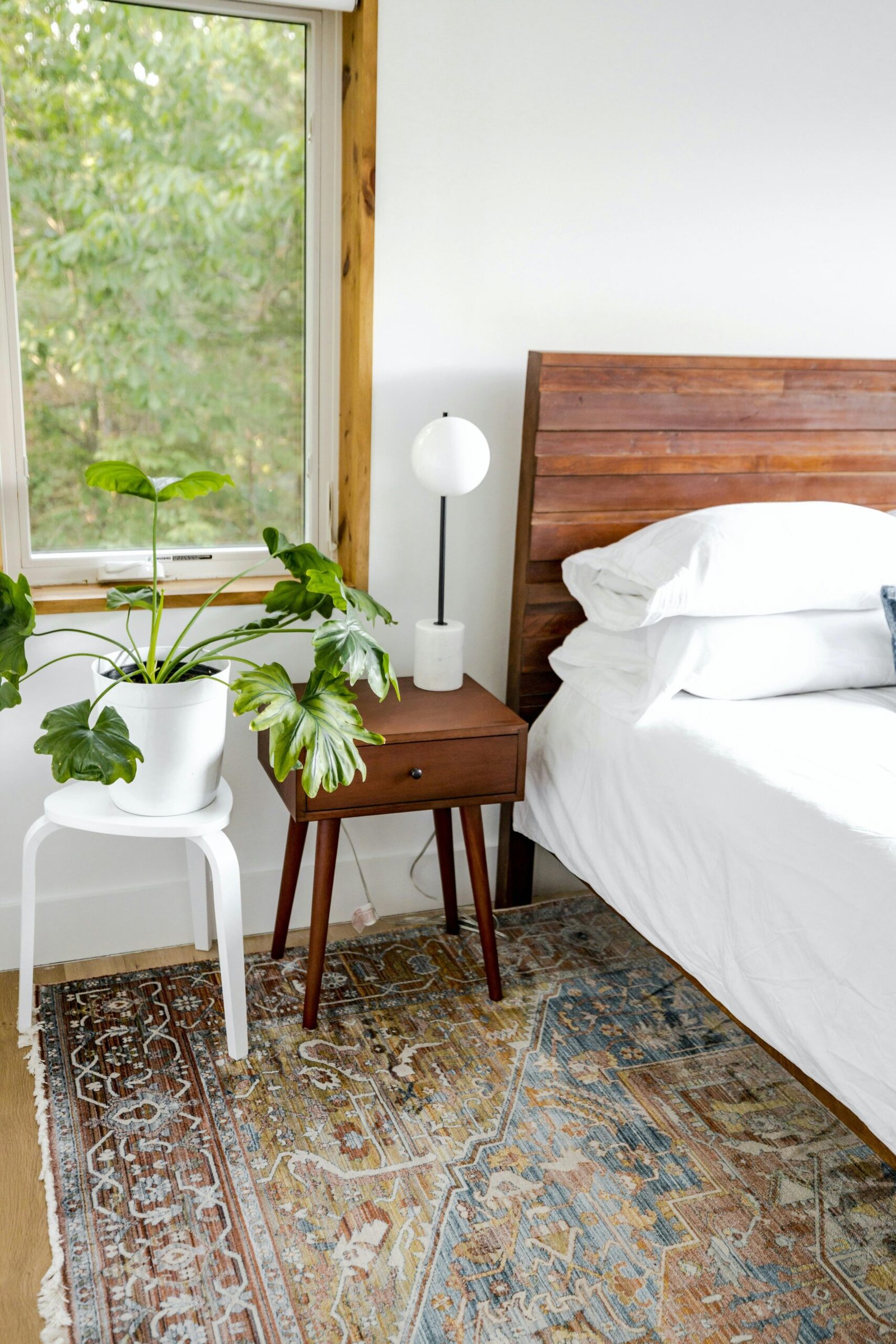
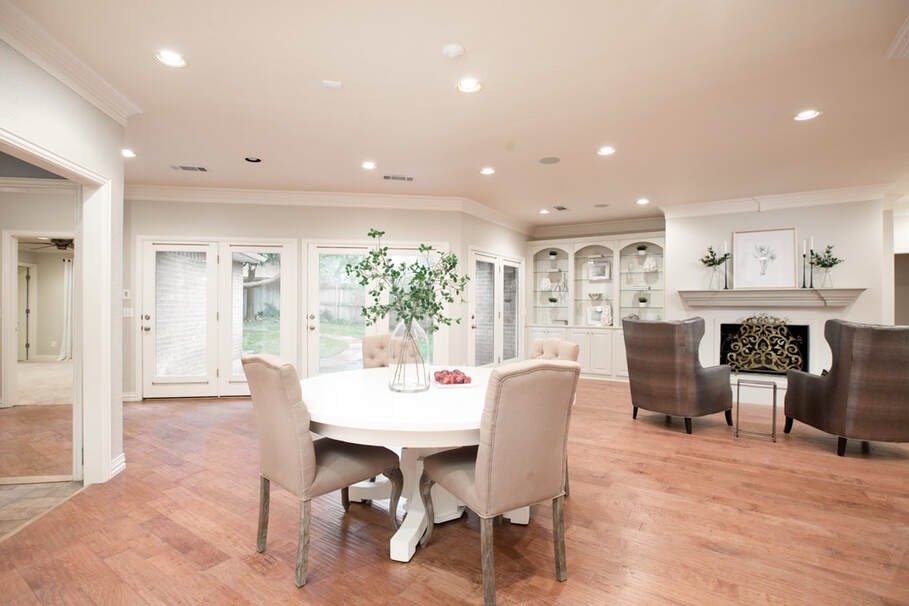
Home staging has emerged as a vital component in the real estate market, serving as a strategic tool to enhance the attractiveness of properties. When a home is professionally staged, it significantly improves its visual appeal, allowing potential buyers to envision themselves living in the space. This first impression is critical; studies have shown that homes that are staged can sell 73% faster than their non-staged counterparts. The emotional connection created through staging can be the difference between a prospective buyer’s interest and apathy.
The statistics surrounding home staging reaffirm its effectiveness in fostering quicker sales. According to the National Association of Realtors, nearly 77% of buyers’ agents believe that home staging makes it easier for potential buyers to visualize the property as their future home. This visualization is essential, as it leads to a deeper emotional investment, which can result in more competitive offers. Furthermore, homes that showcase their full potential through strategic staging often command higher offer prices—sometimes by as much as 10% above the asking price.
Numerous case studies have illustrated the financial benefits of home staging. For example, a case in point involved a three-bedroom house that remained on the market for six months. After staging the home with carefully chosen furnishings and decor, the owner was able to secure a contract within two weeks. Such outcomes demonstrate that effective home staging not only captivates potential buyers but also enhances marketability, making it an essential strategy for anyone looking to sell their home quickly and for an optimal price.
This post may contain affiliate links, which means I may earn a small commission if you make a purchase, at no extra cost to you. Thank you for your support!
Styling Tips and Smart Product Suggestions for Your Space
- Declutter first
- Remove personal items (photos, collections, etc.).
- Clear excess furniture to make rooms feel larger.
- Keep only essential pieces that show how the room is used.
- Highlight the home’s best features
- Remove anything that distracts from windows, fireplaces, or architectural details.
- Use minimal decor so buyers focus on the space, not your stuff.
- Improve furniture layout
- Arrange furniture to create a natural flow and easy walkways.
- Most guidelines suggest:
- Main walkways: about 36 inches / 3 feet (90 cm) of clearance
- Around sofas, chairs, beds: at least 18–24 inches (45–60 cm) between furniture and walls/other pieces
- Dining table to wall/other furniture: about 36 inches (90 cm) so people can pull chairs out and walk behind
- Create a more open, functional layout by using minimal furniture.
- Avoid blocking doors, windows, or main pathways.
- Define zones with rugs
- Use area rugs to separate sitting, dining, or work areas—especially in open concept spaces.
- Choose rugs that are neutral and sized correctly for the furniture grouping. Click Shop (coming soon) to explore neutral rug options for your home.
- Choose a cohesive color palette
- Stick to soft neutrals like soft white, beige, and light gray for walls and large pieces.
- Add small pops of color with decor only (pillows, throws, art).
- Keep colors consistent from room to room for a “flowing” feel.
- Use smart, simple products
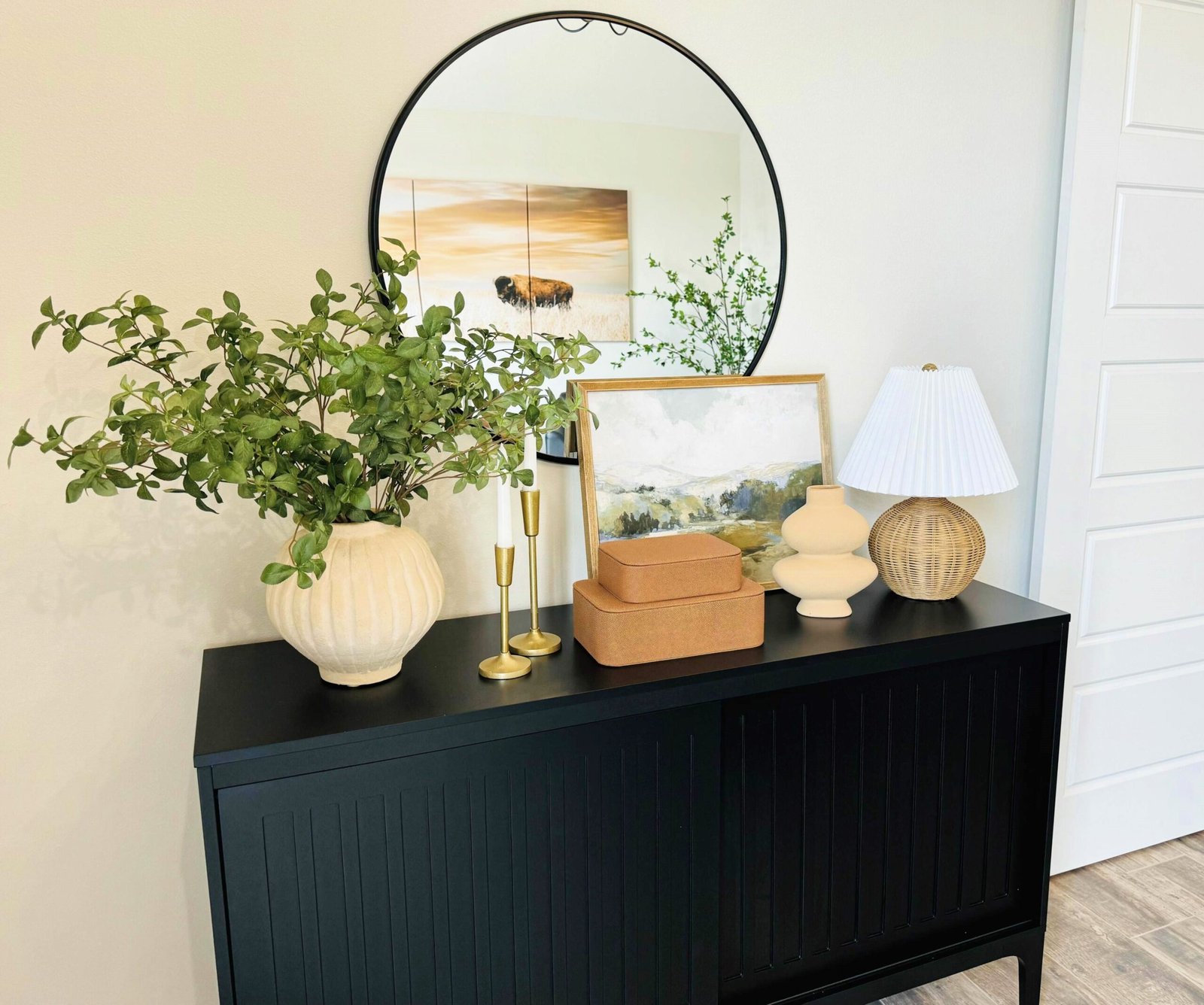
- Entryway: slim console table, closed baskets for shoes and to hide coats, and add a few decor pieces with soft lighting (a table lamp) for a welcoming feel. Click Shop (coming soon) to find budget-friendly entryway finds that complete this look.
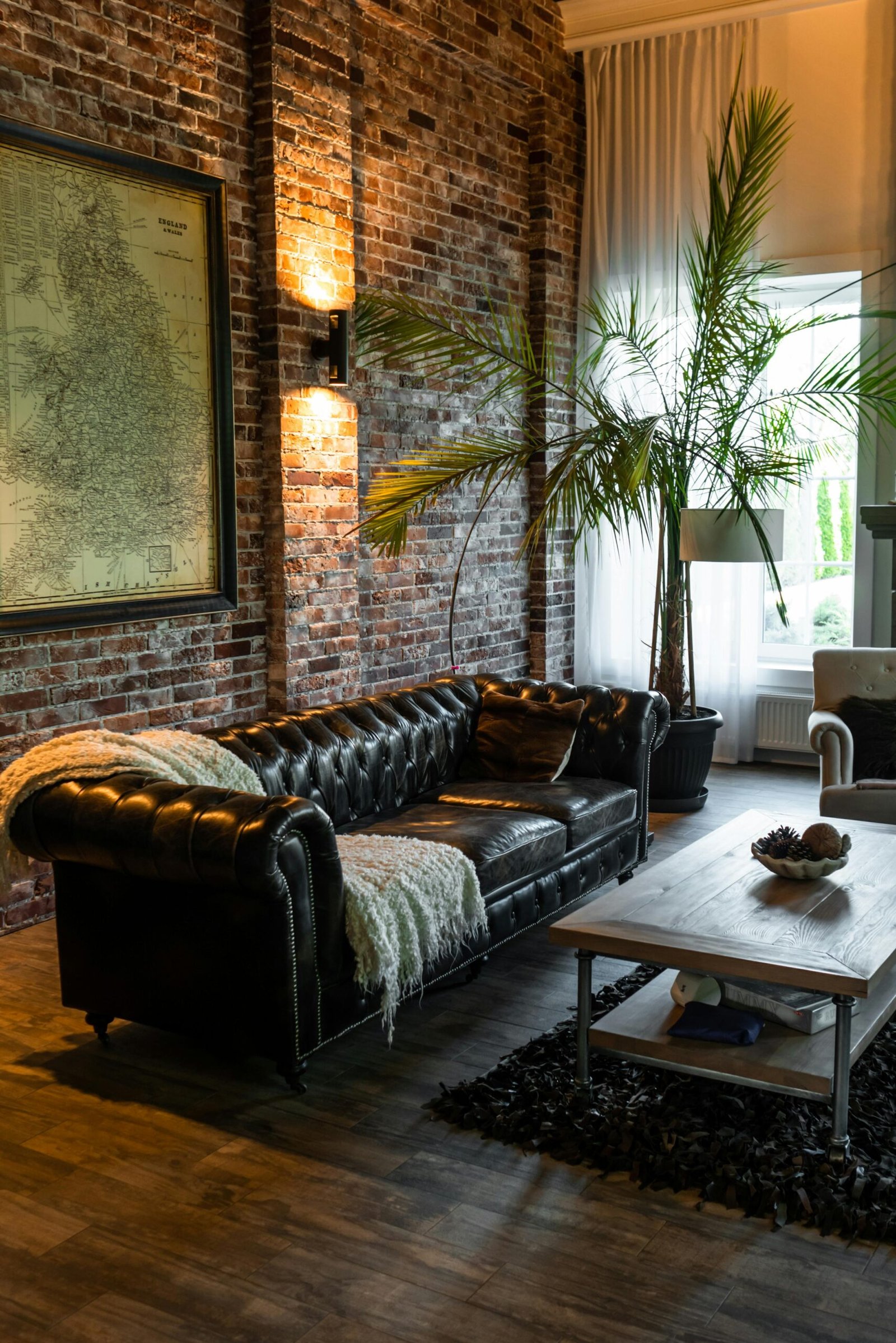
- Living room: a few throw pillows, a neutral throw blanket, simple coffee table decor and a life-like plant or flowers. Click Shop (coming soon) to browse living room essentials.
- Throughout the home: mirrors to reflect light, a few plants, and matching lamps for warmth. Click Shop (coming soon) to discover mirrors, plants, and lamps that brighten and refresh your home.
- Aim for “clean, bright, and welcoming”
- Less is more: avoid over-decorating.
- Make sure every room has a clear purpose and feels inviting.
- Focus on helping buyers imagine their own life in the space.
To summarize, effective home staging combines careful decluttering, intelligent furniture arrangement, a harmonious color palette, and thoughtful decor choices. By integrating these styling tips and product suggestions, you can significantly enhance your home’s appeal, making it more attractive to potential buyers.
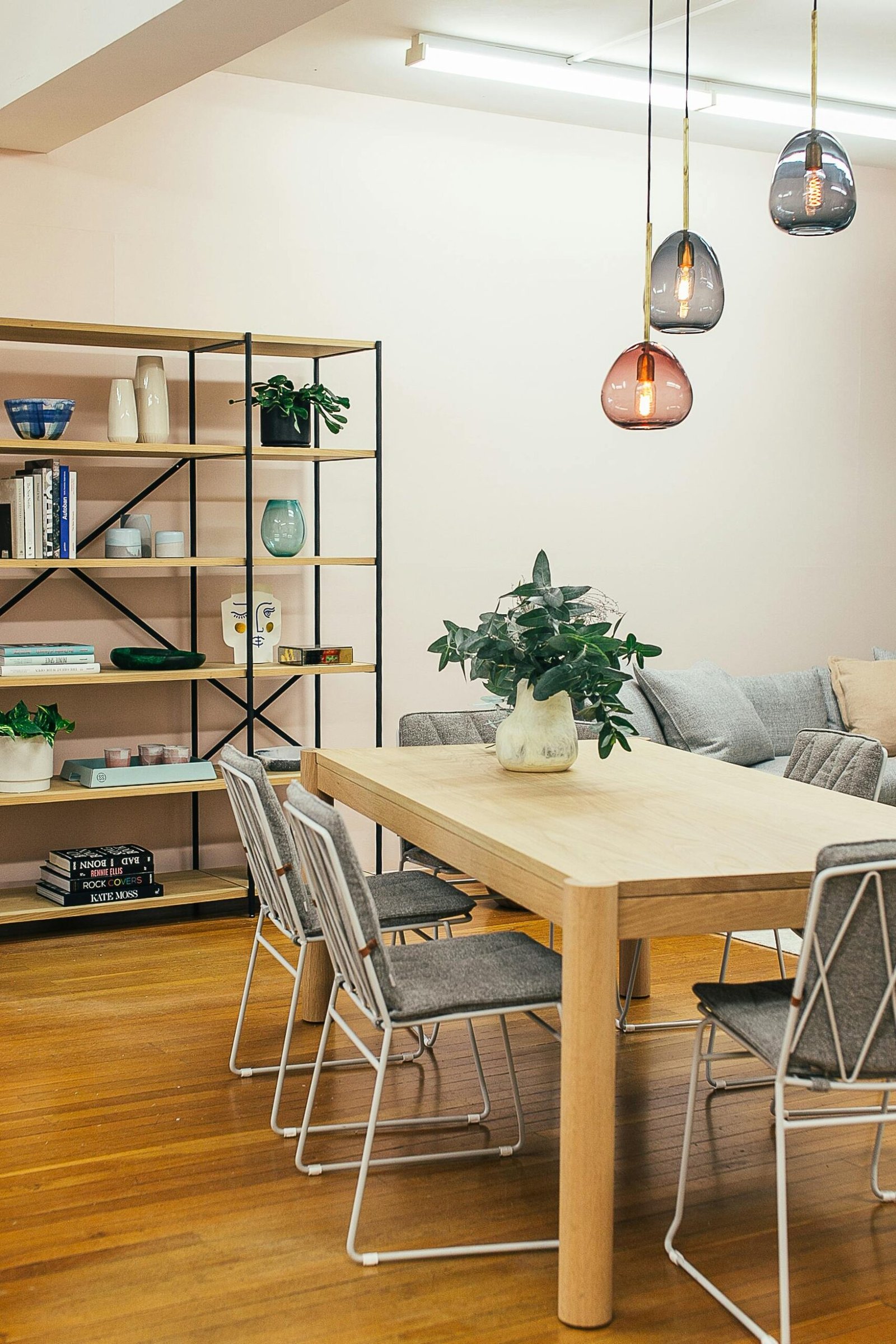
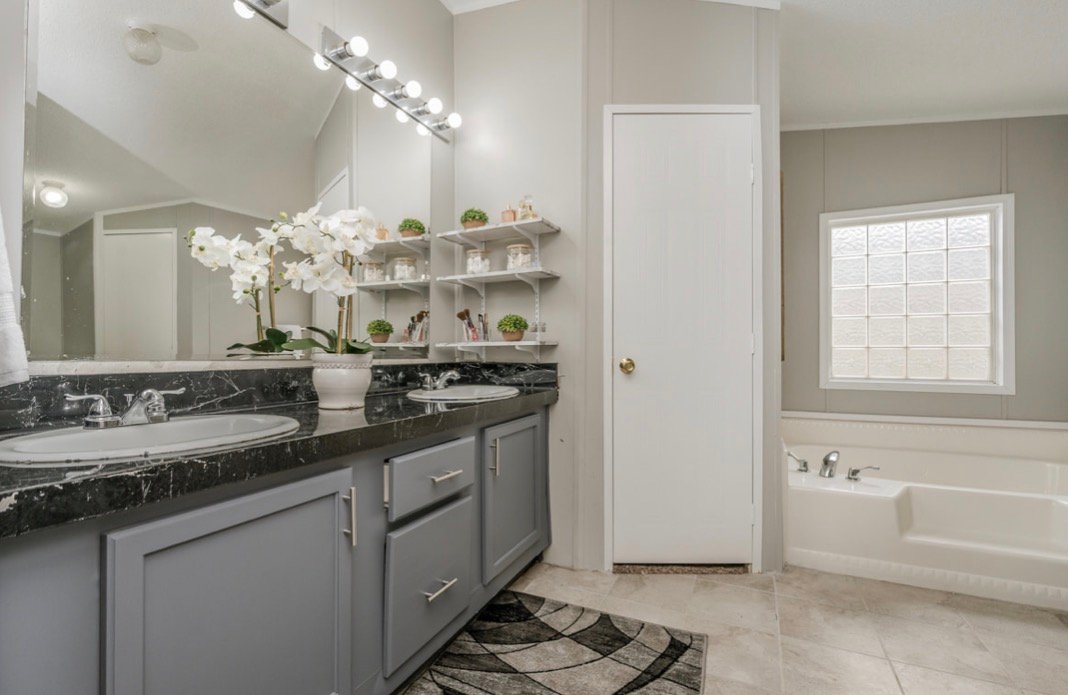
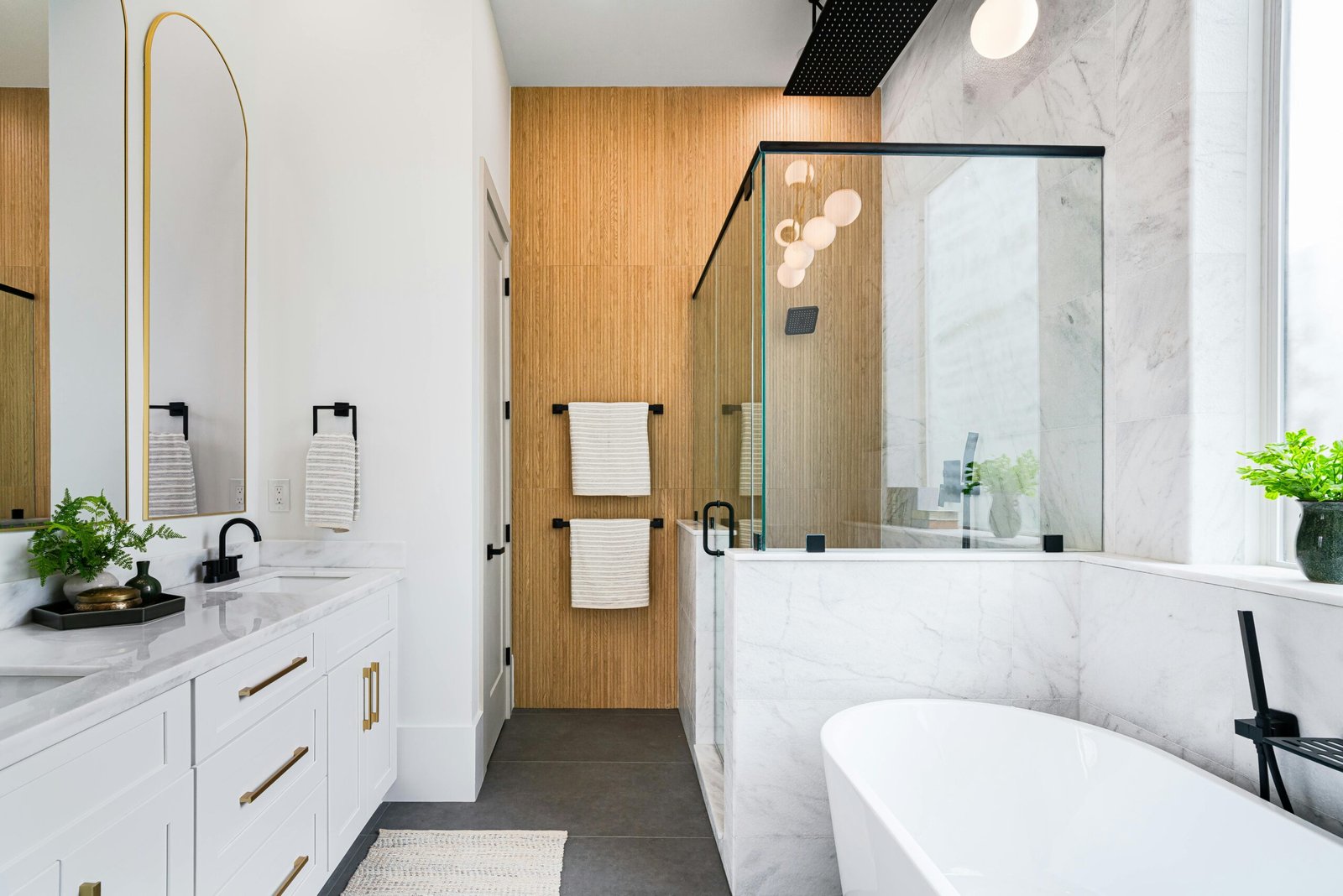
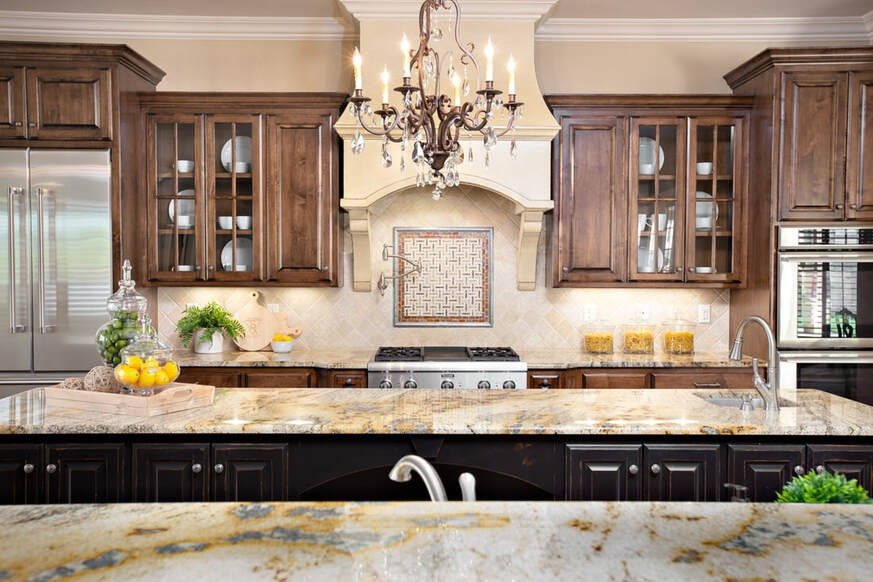
Take a look at some of my personal before and after photos to see the difference these styling tips can make.
Before Home Staging
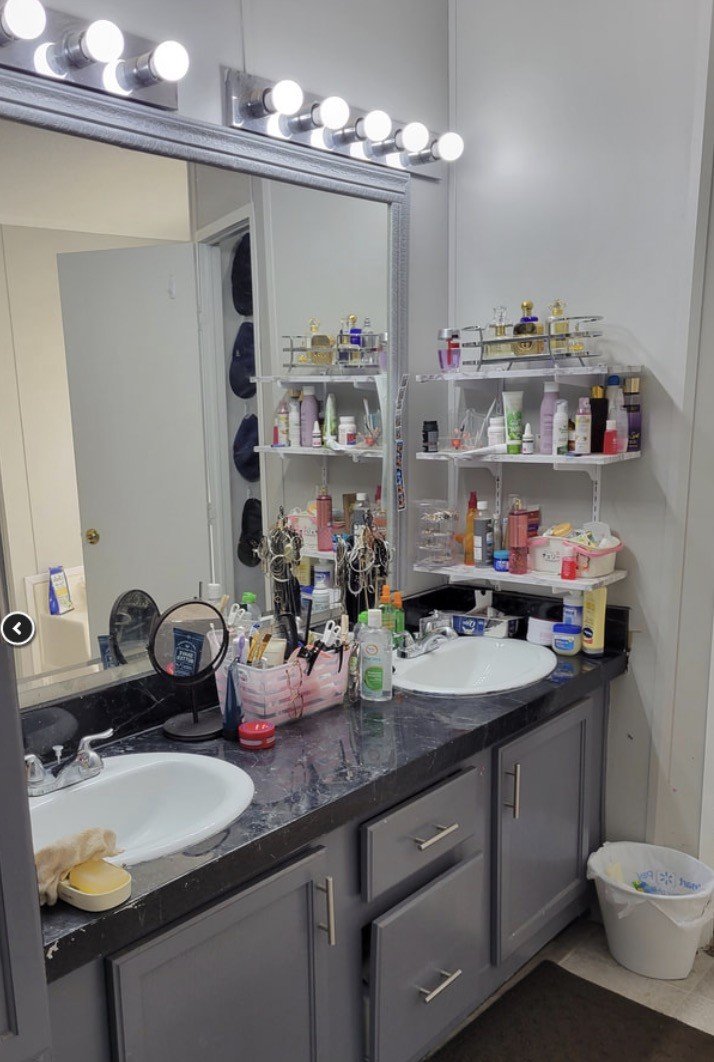
After Home Staging