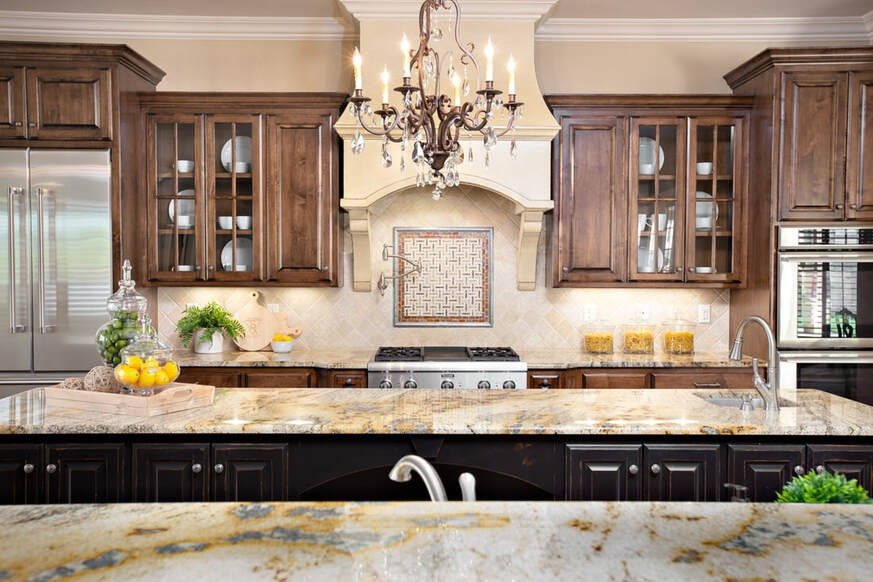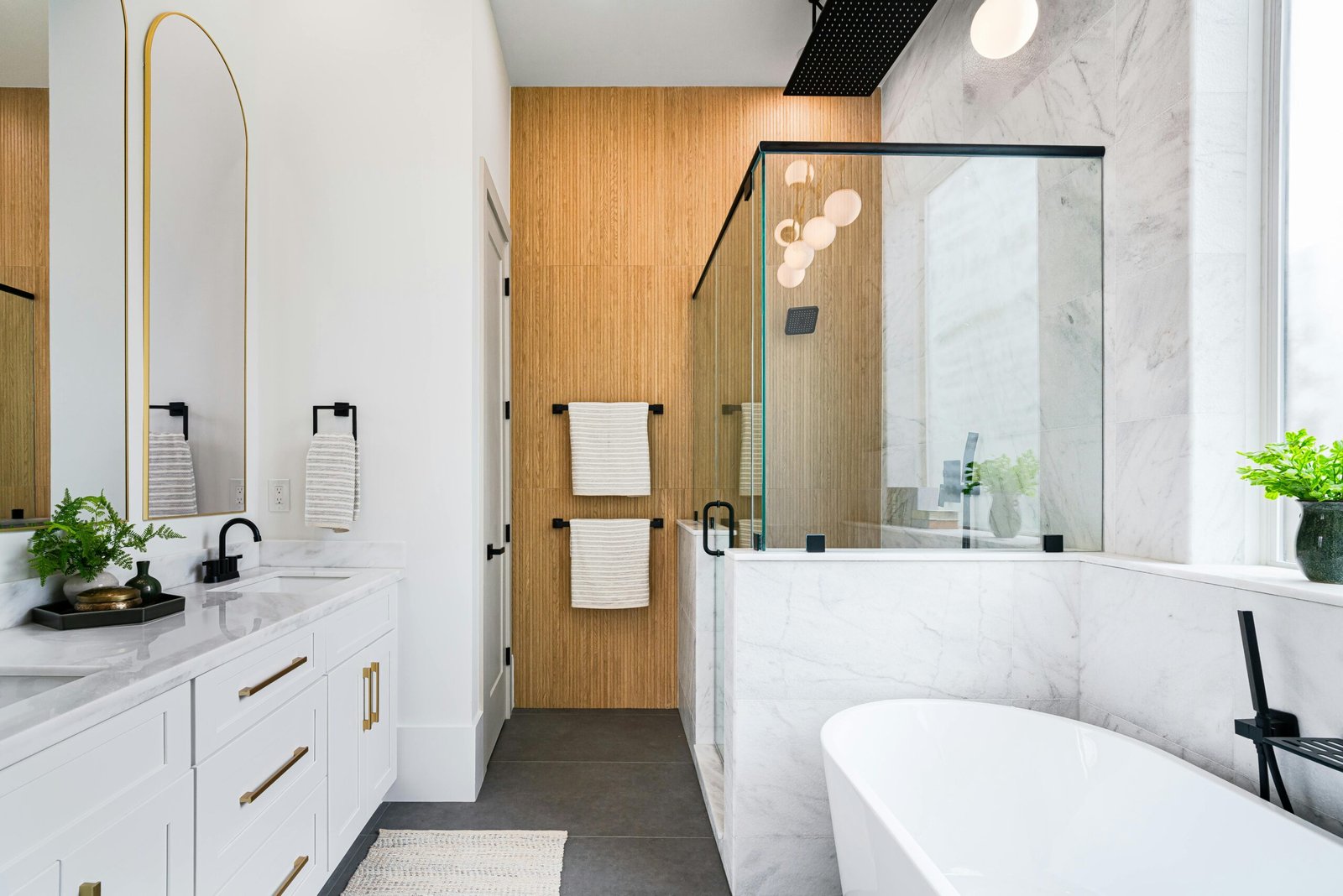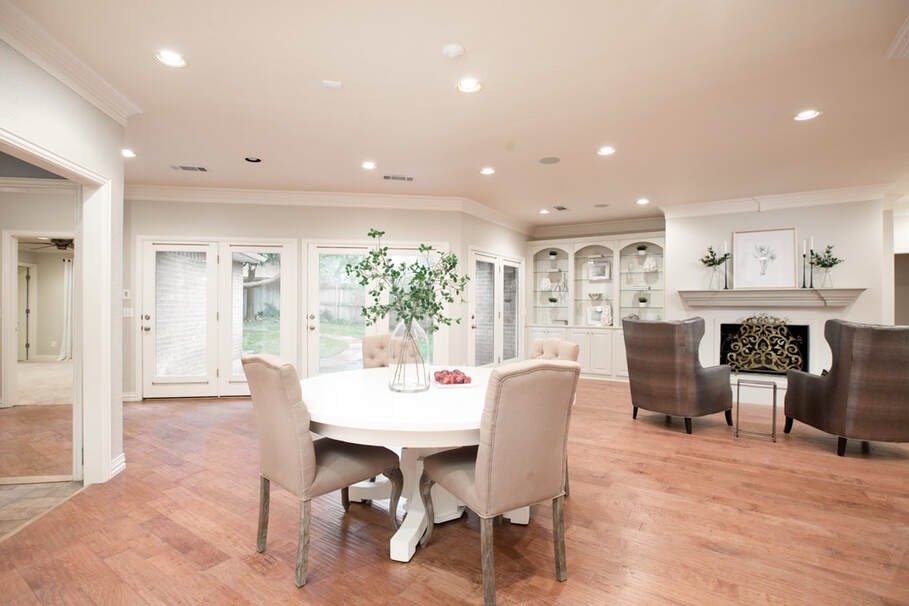
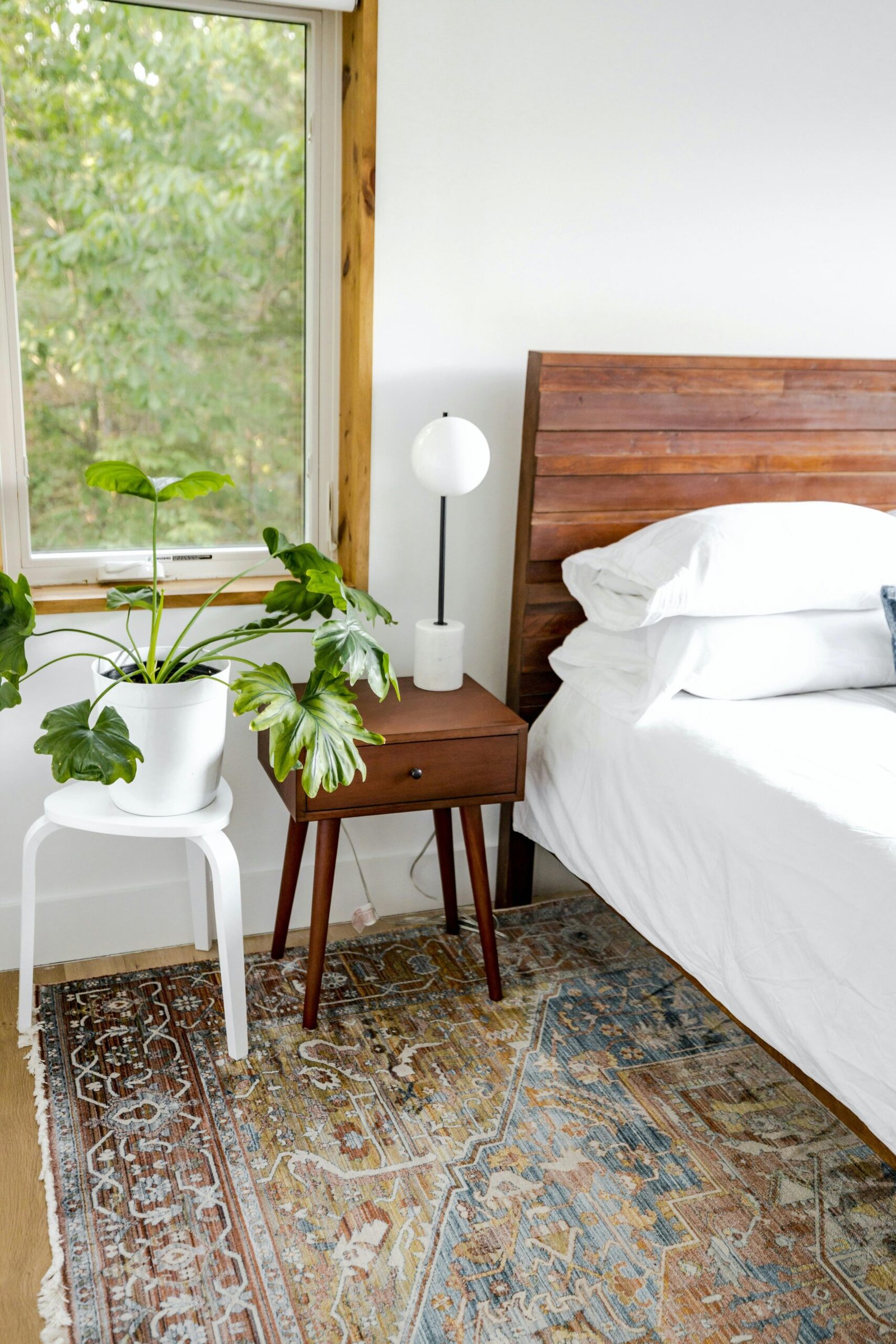
Hi, I’m Wendy with Staged and Styled Home, and today I want to share why neutral, updated rugs are one of my favorite tools for transforming hard surface floors and getting your home market-ready. In this post, I’ll walk you through a simple, step‑by‑step guide on exactly where to place rugs in your home and what styles, sizes, and textures to choose in each area so you can create a cohesive, welcoming look buyers will love.
When it comes to selling your home, staging with neutral rugs is one of the simplest ways to instantly update a space, define areas, and make a home feel fresh and move‑in ready. This is especially true in homes with hard surface flooring—rugs soften all that tile, wood, or vinyl, add warmth, and guide buyers’ eyes through your home in a way that feels intentional and welcoming.
This post may contain affiliate links, which means I may earn a small commission if you make a purchase, at no extra cost to you. Thank you for your support!
Why Rugs Matter So Much in Staging
Rugs do more than decorate. They:
- Anchor furniture groupings so rooms feel balanced and complete
- Add softness and warmth to hard surface floors that might otherwise feel cold or stark
- Help create visual flow from room to room
- Quiet visual “noise” with calm, neutral patterns so buyers focus on the home, not your décor
New or updated rugs immediately signal “well cared for,” which is exactly what buyers want to see.
Neutral Doesn’t Mean Boring
For staging, I almost always recommend neutral rugs with soft, subtle patterns. That doesn’t mean everything has to be beige or gray. Neutrals can include:
- Soft blues
- Muted blush or pink
- Gentle greens
as long as they complement your existing décor and don’t overpower the room.
Look for rugs with vintage-inspired or lightly distressed patterns in soft tones. These add interest and character without stealing the show. New and updated rugs are best, with patterns that aren’t too harsh or busy. Vintage‑style rugs in soft palettes are an excellent choice.
Rugs in the Kitchen
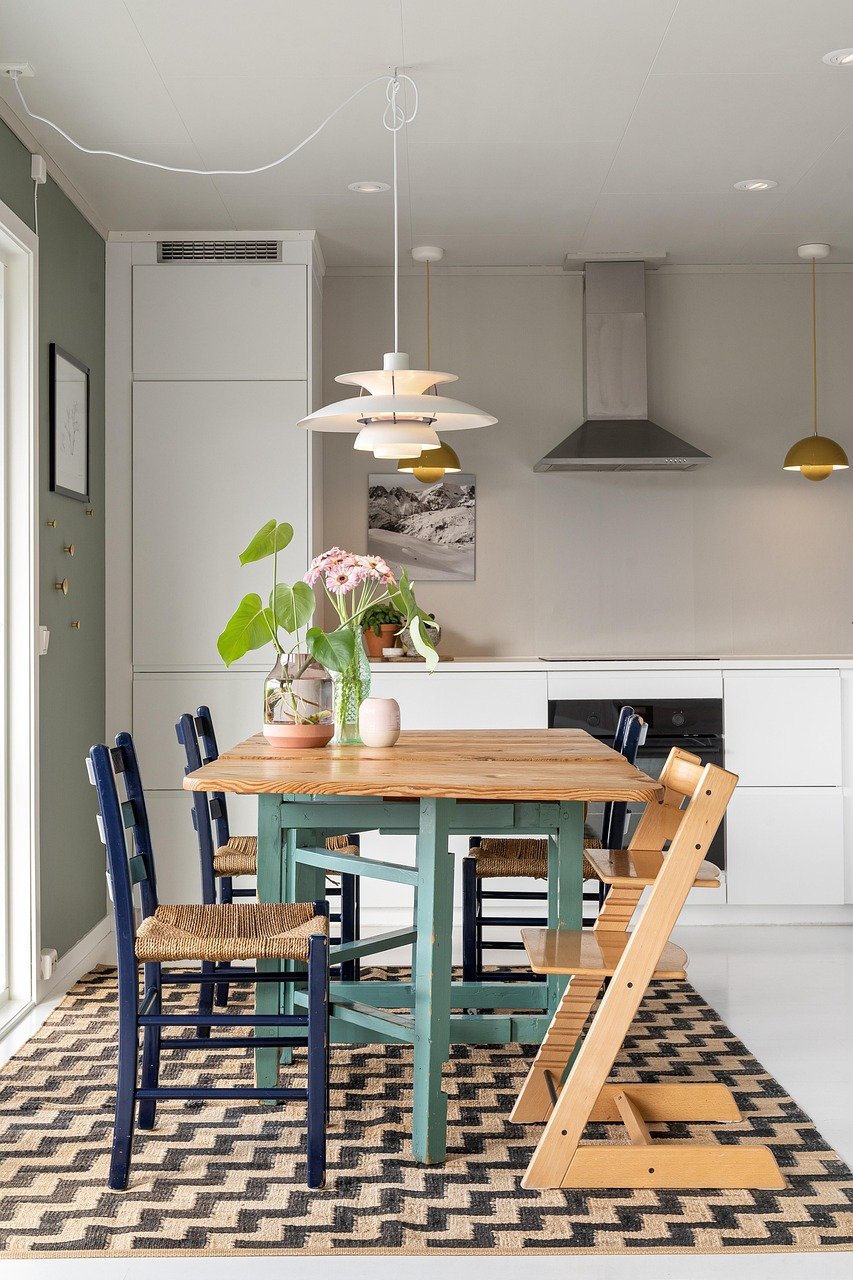
Kitchens are high-traffic, high-impact spaces—perfect places to use rugs wisely, especially on hard floors:
- Between the island and the counter:
If you have an island, a runner between the island and the main counter warms up all that hard flooring and visually connects the two zones. - In front of the sink:
A new, pretty rug in front of the sink instantly updates the area where buyers naturally pause and look around. On hard surface floors, this not only softens the look but makes it more comfortable underfoot. Skip anything worn, stained, or too bold. Think clean, fresh, and soft underfoot.
Choose low-pile rugs that are easy to clean and won’t become a tripping hazard.
Rugs Under the Dining Table
A rug under the dining table helps define the eating area and makes it feel more intentional and inviting. On hard floors, it also cuts down on echo and makes the space feel warmer and more grounded.
A few quick guidelines:
- The rug should be large enough so that when chairs are pulled out, the back legs still sit on the rug.
- Typically, you’ll want at least 24 inches of rug extending beyond all sides of the table.
- Common sizes: 8′ x 10′ for 4–6 chairs, 9′ x 12′ for larger tables.
- Center the rug under the table (and light fixture if possible).
- Make sure there is at least 12″ of floor visible between rug edge and walls so it doesn’t look wall-to-wall.
- Stick to a low‑pile, easy‑to‑clean rug in a soft, neutral pattern so it doesn’t compete with your table or light fixture.
Bathrooms: Upgrade Those Rugs
Bathroom textiles say a lot about how well a home has been maintained. For staging on hard surface floors:
- Replace old bath rugs with a neutral, vintage-look runner or mat that feels more like a small area rug than a typical “bath mat.”
- Remove toilet lid covers and toilet rugs entirely. They instantly date a bathroom and can feel less than fresh to buyers.
- Keep it simple, clean, and spa-like. Think soft colors, minimal patterns, and a cohesive look with your towels and shower curtain.
Even in a small bathroom, a fresh, neutral rug over hard flooring adds warmth and an instant “update.”
Living Room Rug Size: Get It Right
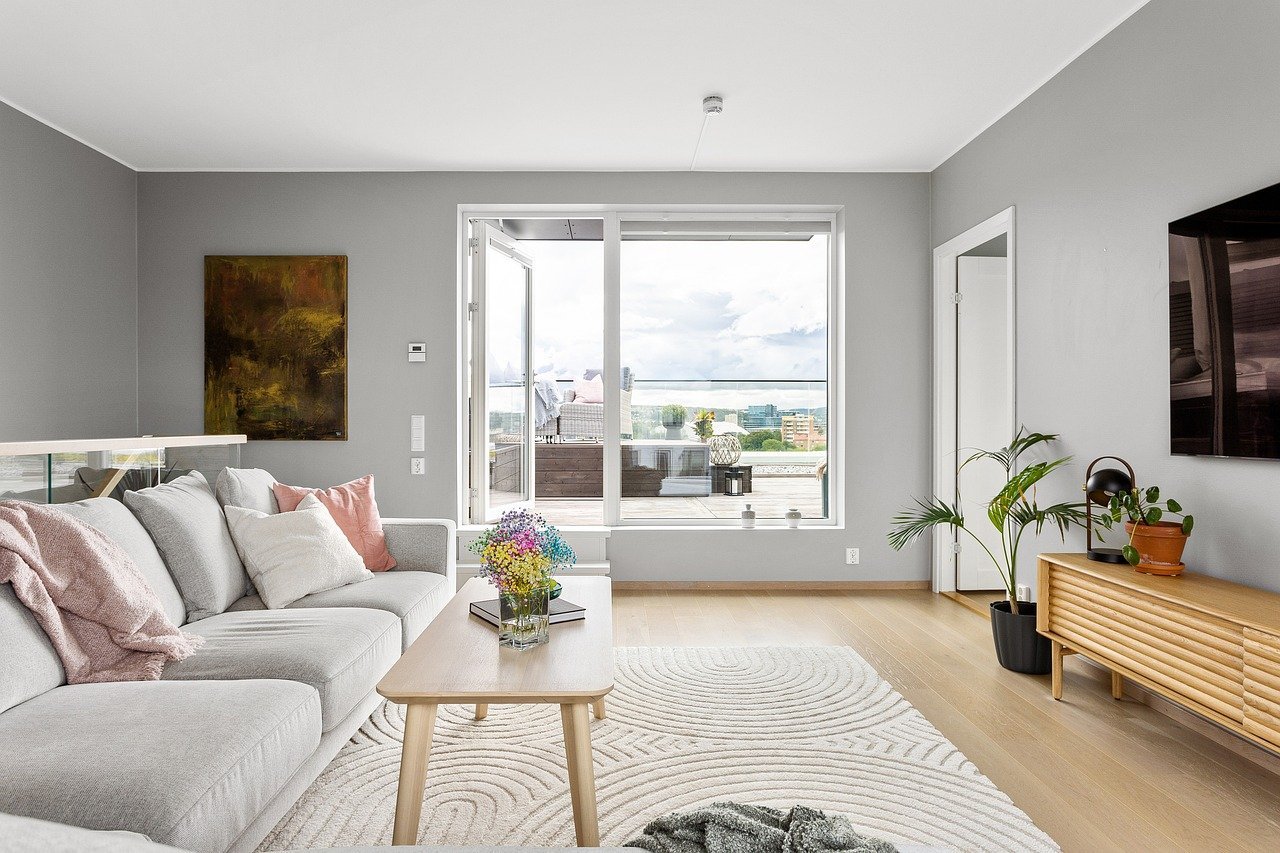
Living room rugs are one of the most common staging mistakes I see—either too small or missing altogether. On hard surface floors, a rug is essential to soften the space, absorb sound, and keep the room from feeling cold or echoey. The right size rug anchors your seating area and makes the room feel larger and more pulled together.
Use these quick sizing tips:
- For most living rooms, an 8′ x 10′ or 9′ x 12′ rug works best.
- At minimum, the front legs of your sofa and chairs should rest on the rug.
- In larger rooms, aim to have all furniture legs on the rug to create one cohesive seating zone.
- Aim for 8″–12″ of rug extending beyond the sides of the sofa.
- Avoid small “floating” rugs that only sit under a coffee table; they chop up the visual space and make the room feel smaller.
- Small living room / apartment
- Most common: 5′ x 7′ or 6′ x 9′
- Best rule: At least the front legs of the sofa and main chairs on the rug.
Entryway & First Impressions
Your entry is your home’s handshake—it needs to feel welcoming from the moment buyers step inside.
- If you have a defined entry, a neutral rug that’s scaled to the space (leaving 12–18 inches between the rug and the walls) instantly adds warmth and sets the tone for the rest of the home. In a standard foyer, a 3×5 or 4×6 rug usually works well, while larger, grand entries can handle a 5×7 or even an 8×10. For hallway-style entries, a 2’6″ x 8′ runner is common. On hard surface floors, this also keeps the entry from feeling bare and echoey.
- Rules:
- Leave a few inches of floor (2″–6″) visible around the rug like a frame.
- Door should open and close without catching on the rug.
- In a larger foyer, rug should sit centered in the space and be large enough that it doesn’t look like a tiny mat in the middle.
- If you don’t have a formal entry, simply placing a clean, attractive rug by the front door helps visually create one and softens the hard surface right where buyers step in.
- Don’t forget the outdoor doormat: a fresh, simple rug at the front door is your first chance to signal “this home is well cared for” and gives a great first impression before buyers even walk inside.
Office Rugs: Ground the Workspace
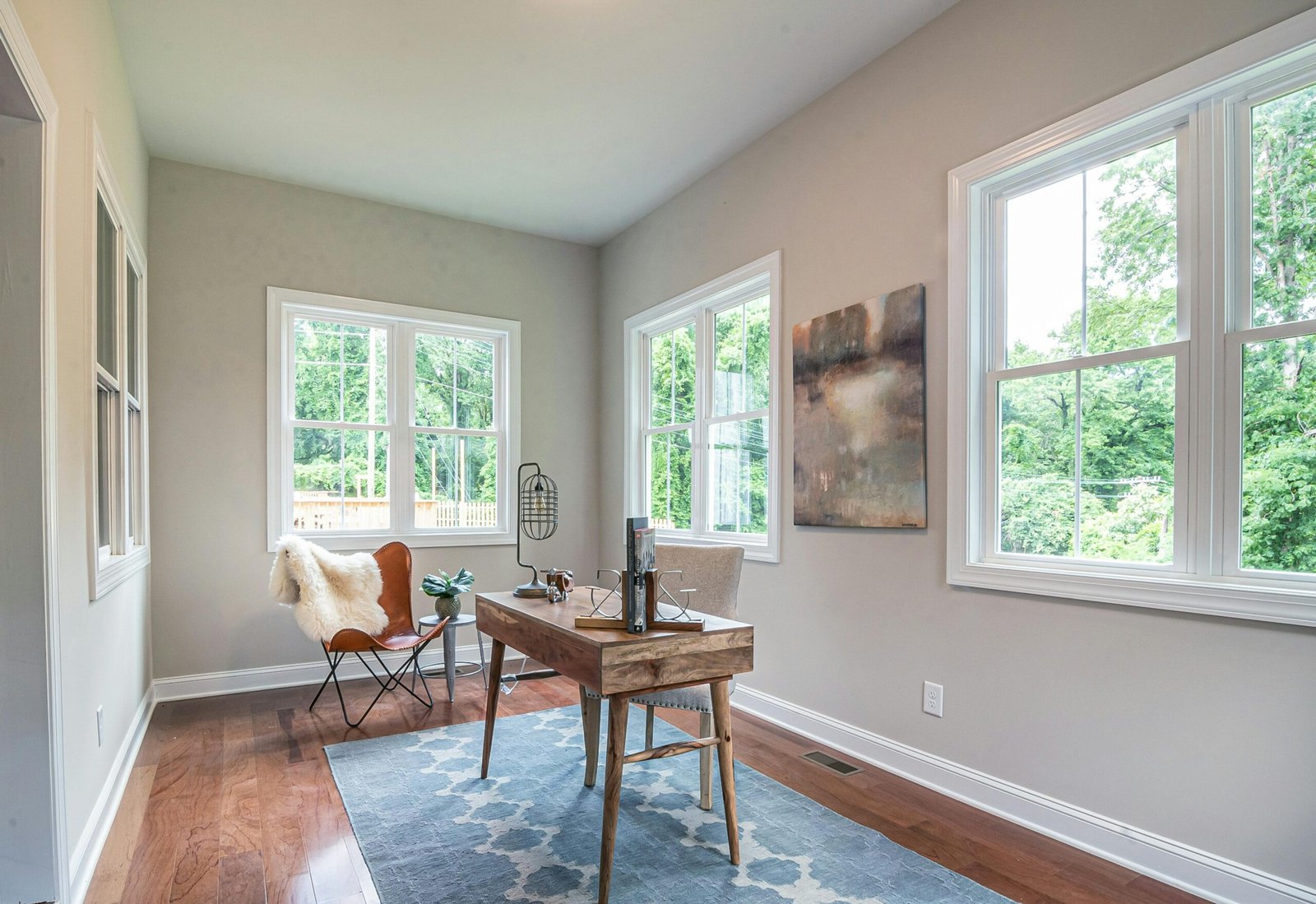
If you have a home office, a rug can help define it as a purposeful, productive space:
- When a desk is floated in the middle of the room on hard floors, use a rug to ground the desk and chair so the setup doesn’t feel like it’s “floating” in space.
- Ideally, the rug should be large enough that the chair can roll back and remain fully on the rug.
- On hard surfaces, this also helps with sound and makes the office feel warmer and more inviting.
- Keep patterns subtle and colors calm so the office feels focused, not busy.
Laundry Room Rugs: Small Space, Big Impact
Laundry rooms are often overlooked, but buyers love when they feel clean and upgraded, especially when they’re mostly hard surfaces:
- Add a runner or small area rug in front of the washer and dryer to soften the space and make it feel more finished.
- Choose durable, low‑pile rugs that can handle moisture and traffic.
- Stick with neutrals or soft patterns—this space should feel bright, fresh, and very clean.
Bedroom Rugs: Soft and Inviting
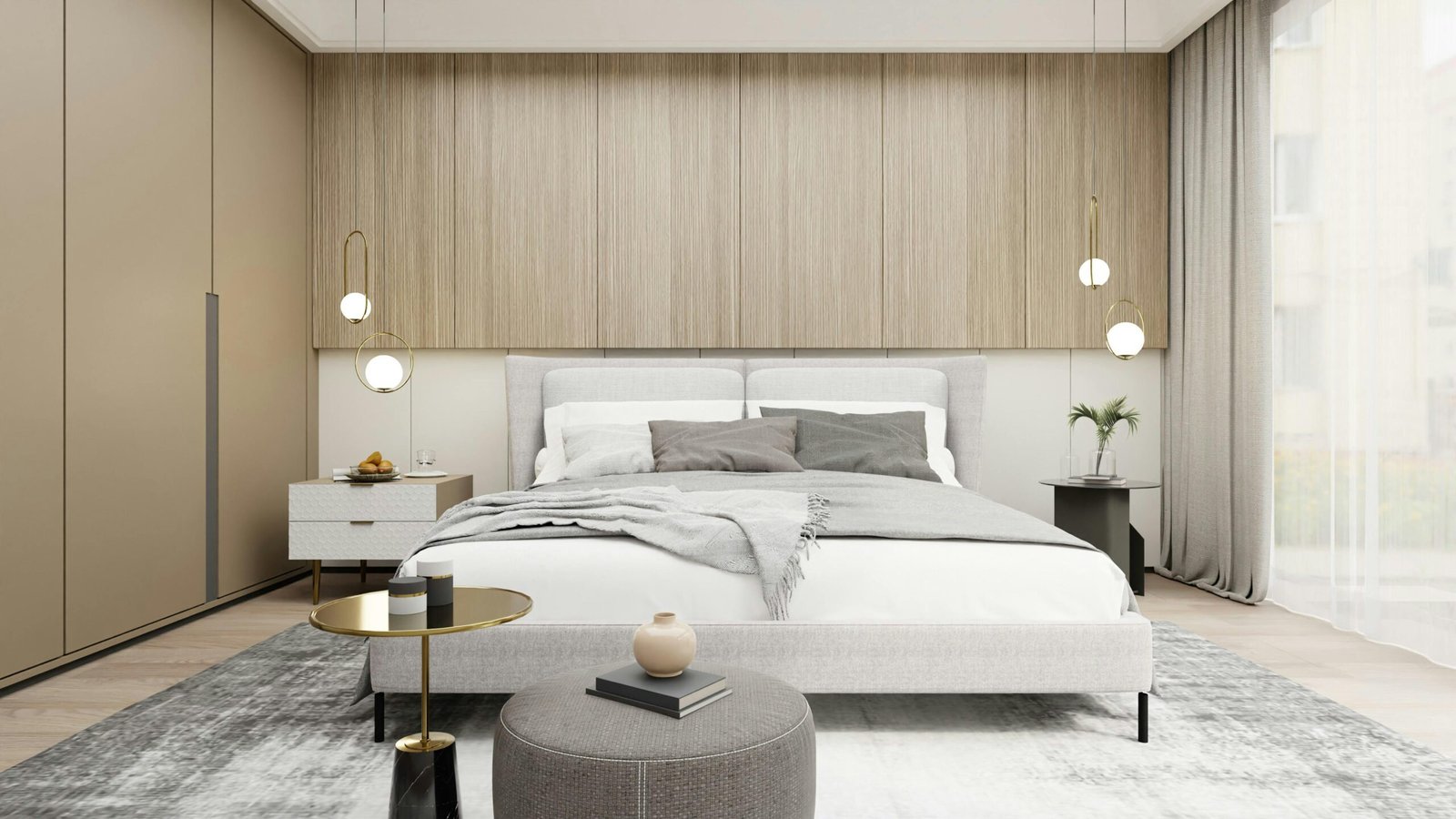
Bedrooms should feel restful and cozy, and that’s extra important when you have hard flooring:
- If you have hard surface floors, an area rug under the bed instantly adds warmth and makes the room feel more luxurious and comfortable.
- A good rule: the rug should extend at least 18–24 inches beyond the sides and foot of the bed so you have a soft landing when you get out.
- King bed
- Most common: 9′ x 12′ (best), 8′ x 10′ (minimum)
- Rug placement:
- Place rug horizontally under the lower 2/3 of the bed.
- Front legs of nightstands can just touch the rug or sit completely off.
- Leave 18″–24″ of rug showing on each side and at the foot of the bed.
- Queen bed
- Most common: 8′ x 10′ (best), 6′ x 9′ (small rooms)
- Placement rules are the same:
- Lower 2/3 of the bed on the rug.
- 18″–24″ of rug visible on each side/foot of the bed.
- > Staging tip: Too-small rugs make the room feel cramped; err slightly larger if budget allows.
- Choose soft, soothing colors and patterns—nothing too bold or busy.
Color, Pattern & Style Tips
When choosing rugs for staging:
- Prioritize new or newer rugs in good condition—no fraying, stains, or heavy wear.
- Choose neutral or soft colors that blend with your existing palette and won’t distract: creams, warm whites, soft grays, muted blues, blush, or gentle green tones.
- Avoid harsh, busy patterns or very dark rugs that dominate the room.
- Vintage-style rugs in soft tones are an excellent choice—they feel current, cozy, and sophisticated.
- You don’t have to stick to browns or grays—soft blue, pink, or green can work beautifully if they flow with the rest of the space.
- For staging, low‑ to medium‑pile rugs work best because they look clean, photograph well, and are easier for buyers to walk on without tripping.
Remember, the goal of staging is not to show off your personal style, but to create a calm, inviting backdrop where buyers can imagine their own lives. Neutral, updated rugs—used thoughtfully on hard surface floors in each key area—are one of the most effective tools you can use to pull that together.
If you’re feeling overwhelmed about where to start, you’re not alone. As a certified home stager and interior decorator here at Staged and Styled Home, I’m here to help you choose the right rugs, place them with confidence, and make your home feel fresh, inviting, and ready to wow buyers.